Badshah Tateeree Controversy: Santy Sharma Defends Rapper as Backlash
The controversy surrounding rapper Badshah’s song Tateeree has taken another turn as singer Santy Sharma stepped forward to defend the artist amid widespread criticism online. Although Badshah has already apologised and removed the song from streaming platforms, discussions around the track continue across social media.
Santy Sharma shared his views publicly through Instagram, offering support to Badshah while addressing what he believes is a larger misunderstanding about rap music and hip-hop culture in India.
Santy Sharma Comes Out in Support of Badshah
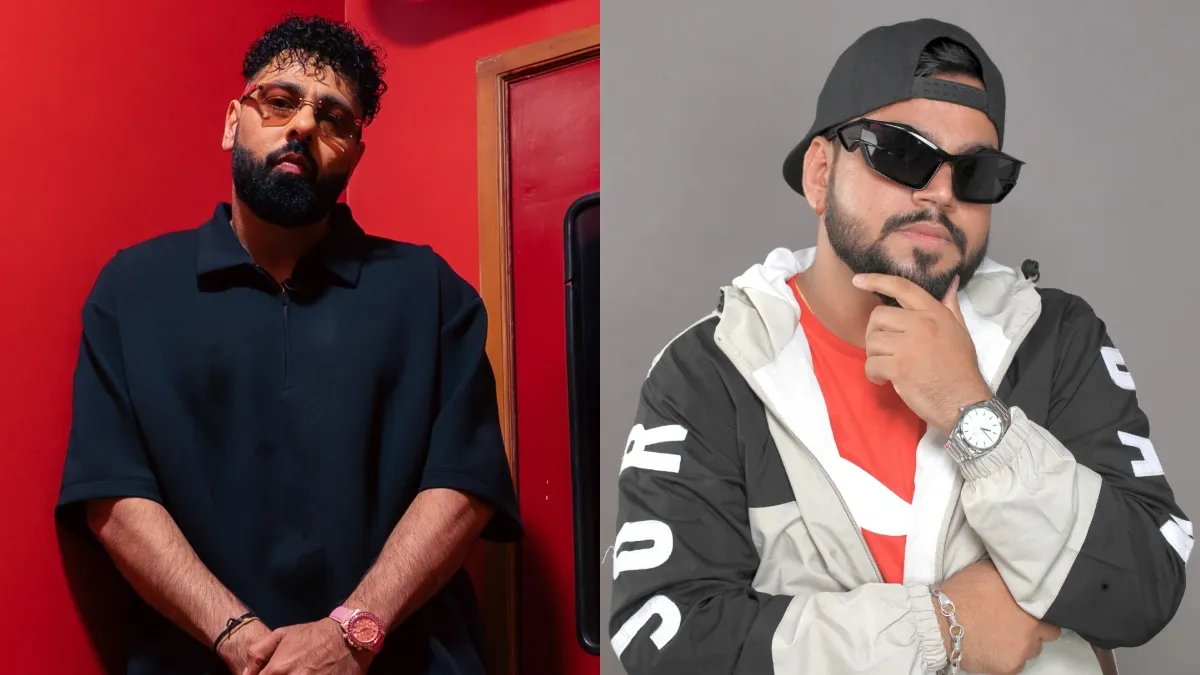
Taking to Instagram, Santy Sharma posted a photo of Badshah and wrote a message explaining his perspective on the controversy. In his note, Santy highlighted that rap music often includes references to competition, exaggerated expressions and artistic storytelling.
According to him, many listeners may not fully understand how hip-hop lyrics are written or how music videos are produced. He explained that songs are sometimes recorded long before the video is filmed, meaning the visual presentation may not always reflect the artist’s original intention.
Santy also pointed out that music videos are typically created by separate teams and creative directors. As a result, even established artists might not always have complete control over how the visuals are eventually presented.
He added that if a particular lyric is considered inappropriate or problematic, it can be modified or updated. However, he suggested that judging an artist harshly without understanding the full context of the creative process may not be fair.
In his message, Santy acknowledged that some people might disagree with his opinion but said he felt it was important to speak honestly about the situation.
The Tateeree Song Controversy Explained
Badshah released Tateeree on March 1, and the track quickly began attracting criticism online. Several listeners took issue with certain lines in the lyrics, describing them as vulgar or containing double meanings.
Some critics also argued that specific portions of the song appeared to objectify women and even referenced minors in a way they considered inappropriate.
The controversy intensified after the music video was released. In the video, dancers were shown wearing school uniforms, which many viewers found problematic. Critics said the visual depiction combined with the lyrics created an offensive portrayal that disrespected women, children and cultural values.
The reaction spread rapidly across social media, leading to heated debates among fans and critics of the song.
View this post on Instagram
Complaint Filed and Legal Attention
As the backlash grew, the matter moved beyond social media discussions. A formal complaint was reportedly filed at the Cyber Crime Police Station in Panchkula, Haryana.
The complaint was submitted by Abhay Chaudhary, who alleged that both the song’s lyrics and its visual presentation crossed acceptable limits and could negatively influence younger audiences.
Following the complaint, authorities reportedly issued a lookout notice against Badshah, adding a legal dimension to the controversy.
The development intensified the public conversation around the song and increased pressure on the rapper to respond.
Badshah Issues Public Apology
In response to the growing criticism, Badshah shared a video message on Instagram addressing the controversy. In the video, the rapper apologised to those who felt hurt by the song.
He acknowledged that the lyrics and the visual representation of the track may have sent the wrong message to some viewers. Badshah also specifically mentioned people from Haryana, stating that their sentiments being hurt was particularly painful for him.
The rapper emphasised his connection to the state, explaining that Haryana has always been a core part of his identity, culture and upbringing. He described himself as a proud Haryanvi and expressed regret that the song had caused distress among people from his home region.
Along with the apology, Badshah confirmed that Tateeree had been removed from all social media and streaming platforms.
Despite this step, the discussion surrounding the track has continued online.
View this post on Instagram
Debate Around Hip-Hop Culture in India
The controversy has also sparked broader conversations about rap music and its place in India’s music landscape.
Supporters of Badshah argue that hip-hop as a genre often includes bold language, metaphors and competitive references that may be misunderstood when taken literally. Critics, however, believe artists must remain mindful of the social impact of their lyrics and visuals.
Santy Sharma’s comments reflect this divide in opinion. By defending Badshah, he highlighted what he believes is a gap in understanding about the creative processes behind rap music.
For now, Badshah himself has not made any further public comments after releasing his apology video.
As discussions continue across social media and within the music community, the Tateeree controversy remains one of the most talked-about topics in India’s entertainment space.