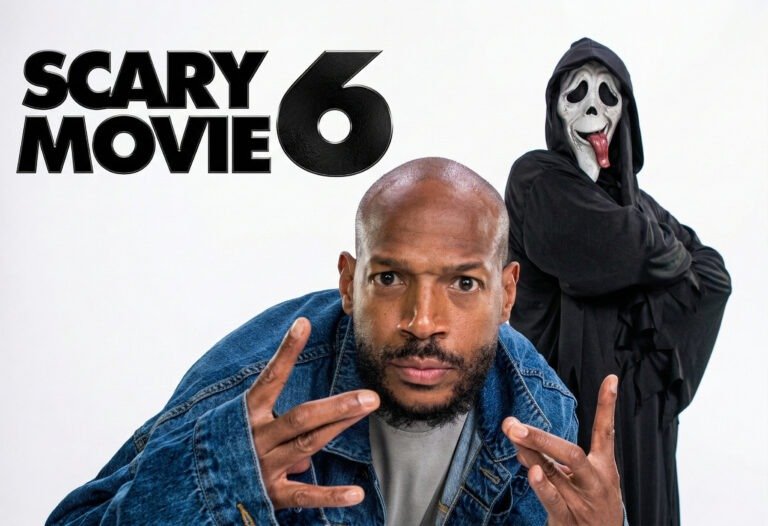
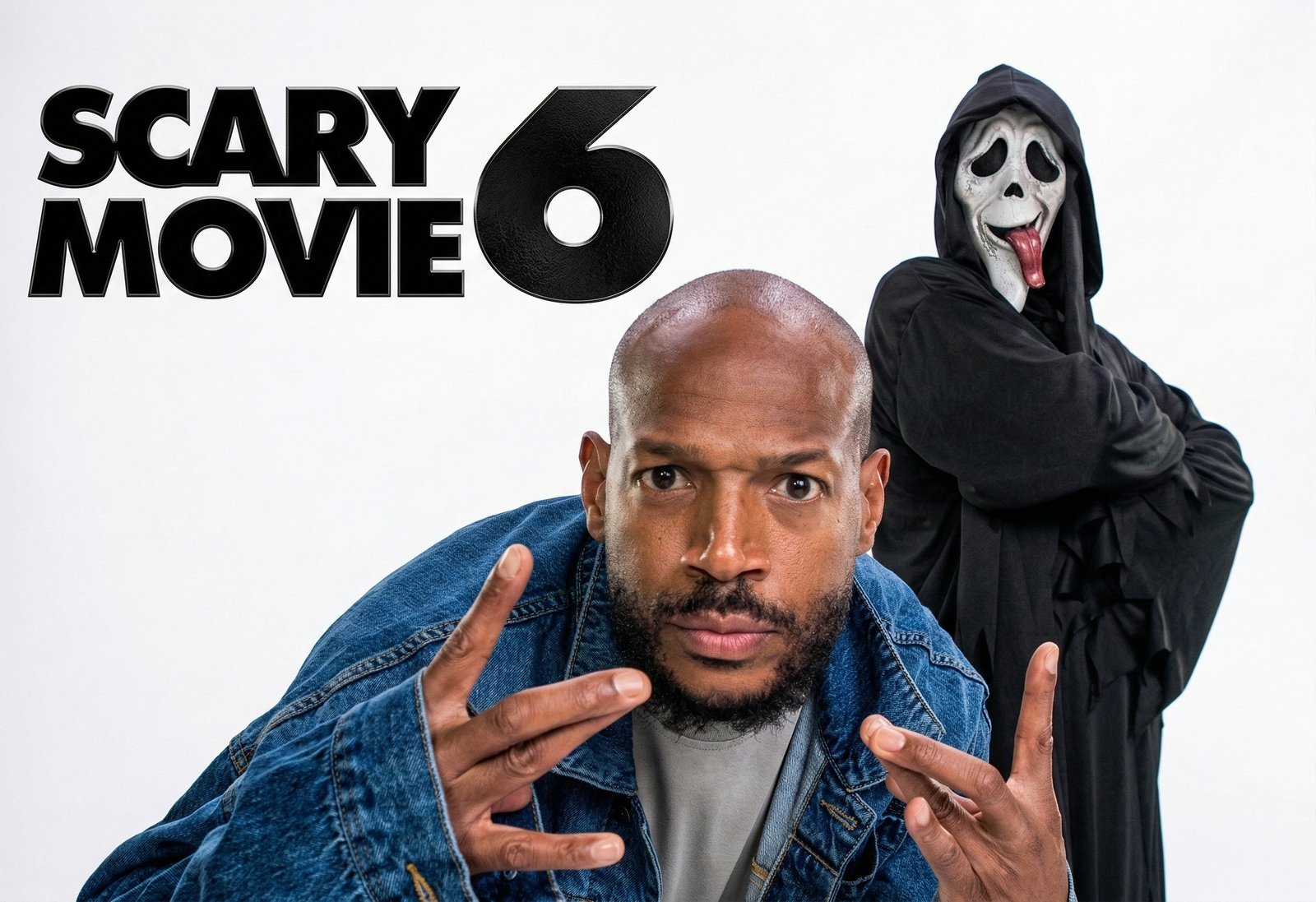
The upcoming revival of the iconic parody franchise Scary Movie has made a notable scheduling change. The new film, led by Marlon Wayans, has shifted its theatrical release one week earlier, a move that could reshape how the film performs during its opening weekend.
While a one-week shift may sound minor, in the world of theatrical releases, it can significantly change audience turnout, theatre programming, and box-office competition. With multiple high-profile films already scheduled around the same time, the new date places the comedy directly inside a crowded release window.
Why the Earlier Release Matters
Moving the release forward positions the film to kick off the early summer season with a strong comedic offering. Studios often use scheduling adjustments strategically to capture momentum and dominate audience attention before competing titles arrive.
However, the shift also places the film into a stacked weekend, where several major releases are expected to open simultaneously. This creates both opportunity and risk.
For theatres, the change means tighter decisions about screen allocation. For audiences, it means more choices in a single weekend, which can split ticket sales across multiple films.
Comedies, especially broad theatrical ones, rely heavily on shared audience energy. Opening weekend buzz often determines whether the film becomes a breakout hit or struggles to maintain momentum.
A Franchise Revival With Familiar Creative Roots
The new Scary Movie instalment is being shaped by the creative forces who helped define the franchise. According to production details, the film is written and produced by members of the Wayans family, including:
- Marlon Wayans
- Shawn Wayans
- Keenen Ivory Wayans
The film also credits producer and writer Rick Alvarez, while direction is handled by Michael Tiddes.
This combination signals an attempt to reconnect the new instalment with the original comedic DNA of the franchise, which helped make the early films global hits.
Trailer Reveals the Parody Targets
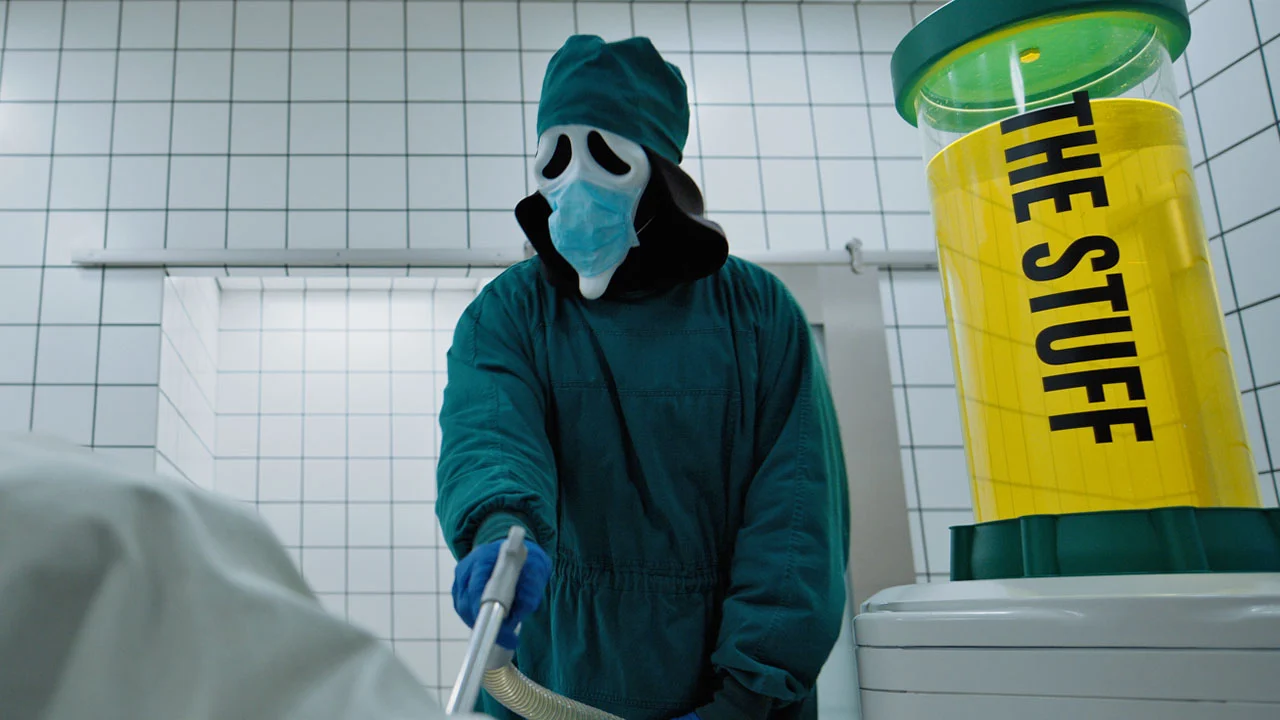
The trailer released alongside the date announcement highlights the series’s signature style. As expected, the film pokes fun at modern horror trends and well-known genre tropes.
The parody lineup includes references to:
- modern “elevated horror” films
- classic slasher icons
- viral horror moments from the last decade
The film blends these references with the exaggerated humour that made earlier entries in the franchise popular worldwide.
Returning characters and familiar comedic beats appear alongside new cast members, suggesting that the revival is aiming to balance nostalgia with contemporary pop-culture satire.
Competition on the Release Weekend
With the film now opening earlier, it will share the weekend with several other studio releases. Meanwhile, another wave of major titles is scheduled to arrive the following week.
This creates a compressed competition window, where multiple films will be fighting for attention at the same time.
For exhibitors, that means adjusting screen counts and showtimes quickly. For studios, it increases the importance of opening-weekend performance and early social buzz.
Why Timing Is Critical for Comedy Films
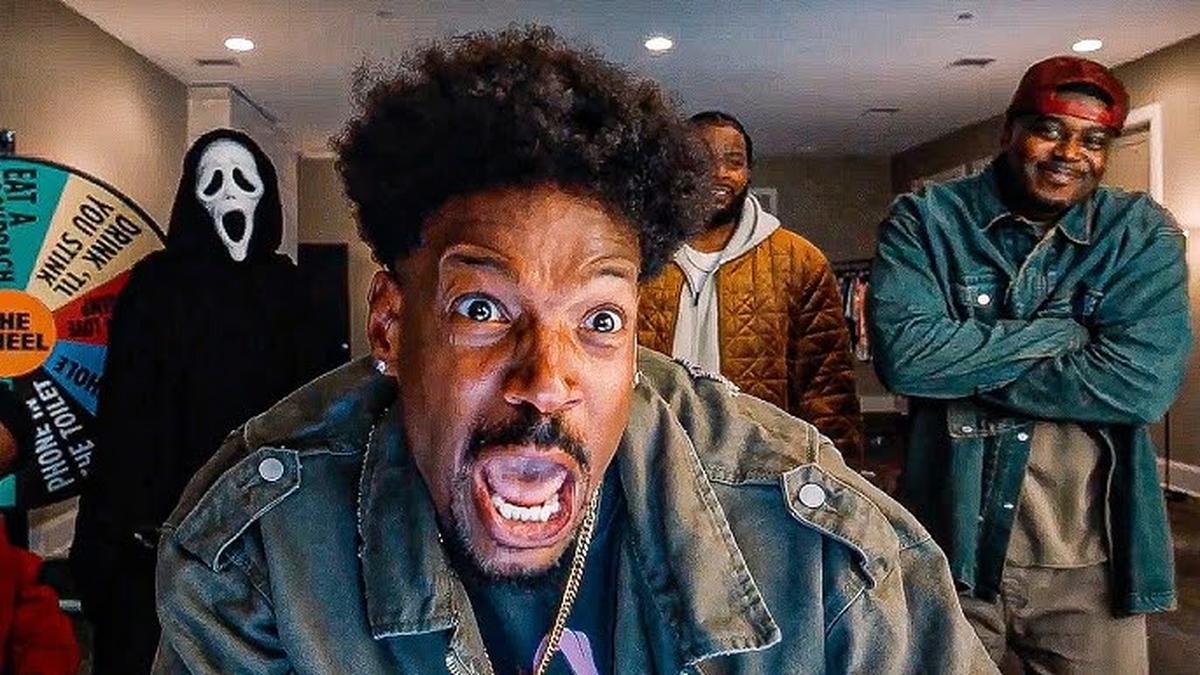
Broad theatrical comedies depend heavily on opening-weekend reactions. Unlike action blockbusters that rely on spectacle, comedy success often spreads through word-of-mouth and audience energy.
If viewers respond positively and social media amplifies the humour, the film could quickly build momentum. But if audiences feel overwhelmed by competing options, ticket sales could fragment across the weekend.
This makes the release date change a calculated gamble.
A Strategic Move in a Crowded Calendar
The decision to shift the release reportedly followed strong audience response to the trailer. Studios sometimes move dates when early marketing signals positive interest.
By arriving earlier, the film attempts to:
- capture early summer audiences
- ride the wave of trailer buzz
- position itself as the weekend’s primary comedy option
However, the packed schedule means that success will depend on whether the film can cut through competing releases and dominate online conversation.
The Bigger Industry Trend
The scheduling move also highlights a broader trend in Hollywood. Studios are increasingly treating release timing as a strategic tool, especially for mid-budget comedies.
With theatrical windows more competitive than ever, studios are experimenting with:
- earlier openings to build momentum
- marketing bursts tied to trailer launches
- precise scheduling to maximise audience attention
In the case of Scary Movie, the combination of nostalgia, recognisable creators, and a bold release-date adjustment suggests the studio is betting on communal theater laughter to drive box-office success.
Whether that strategy pays off will become clear when opening-weekend numbers arrive. If audiences respond strongly, the earlier date could prove to be a smart move. If competition proves too intense, the film may face a tougher climb at the box office.
Either way, the revival of one of comedy’s most recognisable parody franchises has already entered the conversation well before its theatrical debut.