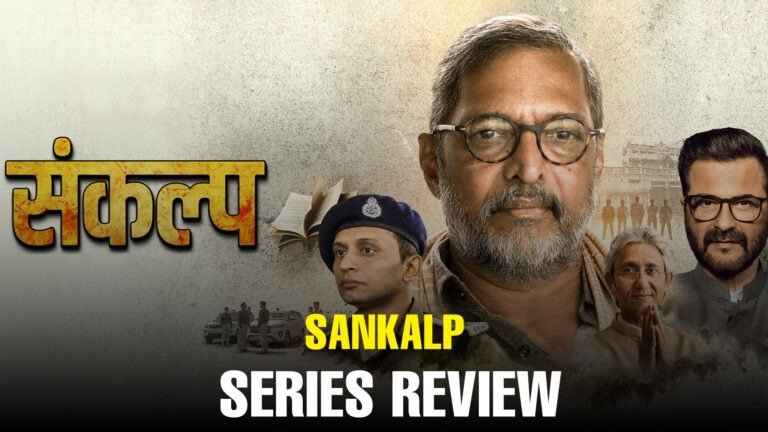
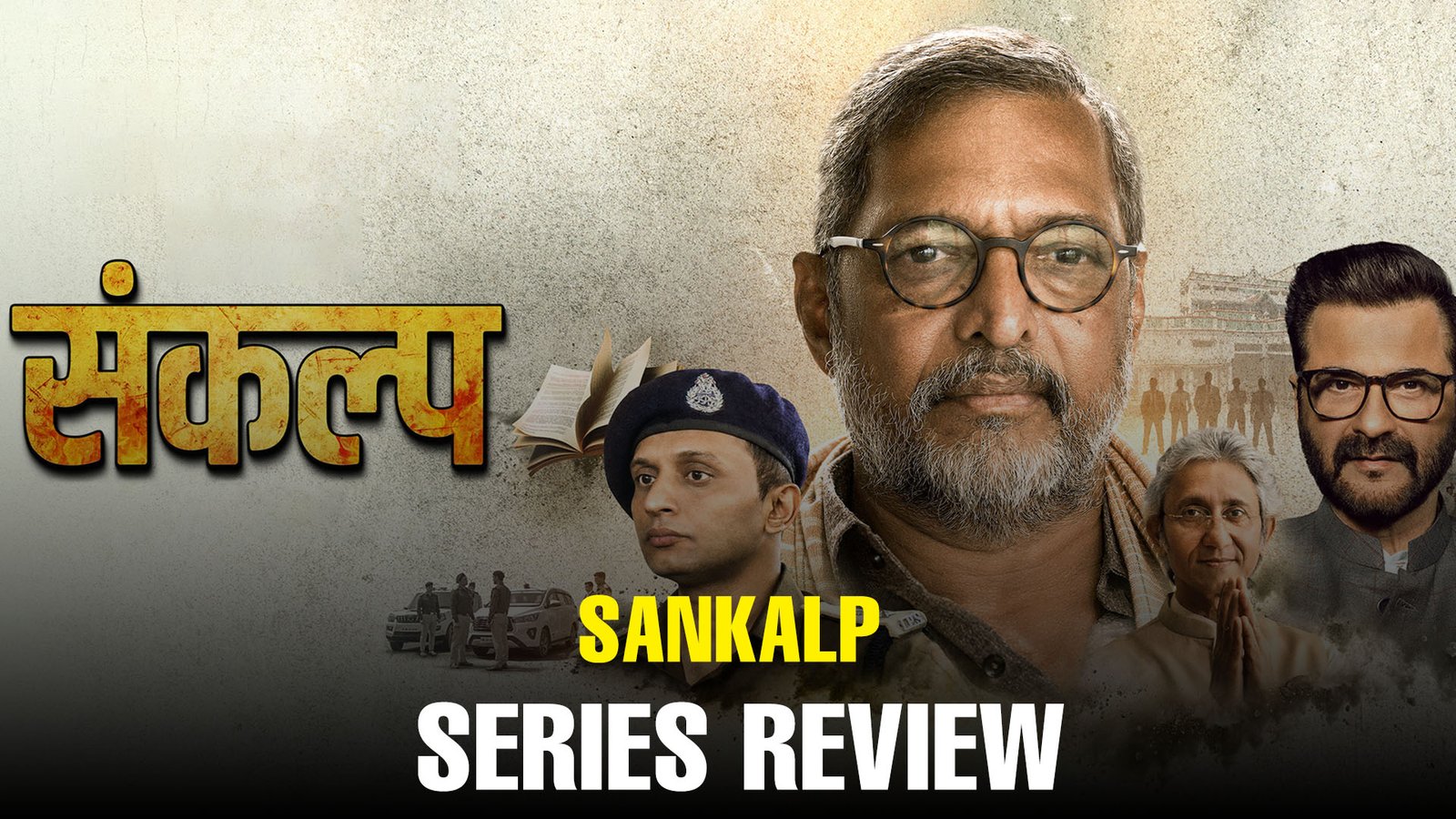
Political power often operates away from the spotlight. It grows through calculated moves, private conversations and carefully cultivated alliances. Sankalp, a new political drama series directed by Prakash Jha and created by Reshu Nath, attempts to capture this hidden world where strategy and ambition shape the fate of institutions.
The ten-episode series blends political intrigue with a psychological mentor–disciple relationship, creating a story that explores how influence is built and how loyalty can sometimes cross the line into manipulation. Set largely in Patna, Bihar, the show examines the rise of individuals who enter the system with ideals but eventually find themselves navigating complicated moral choices.
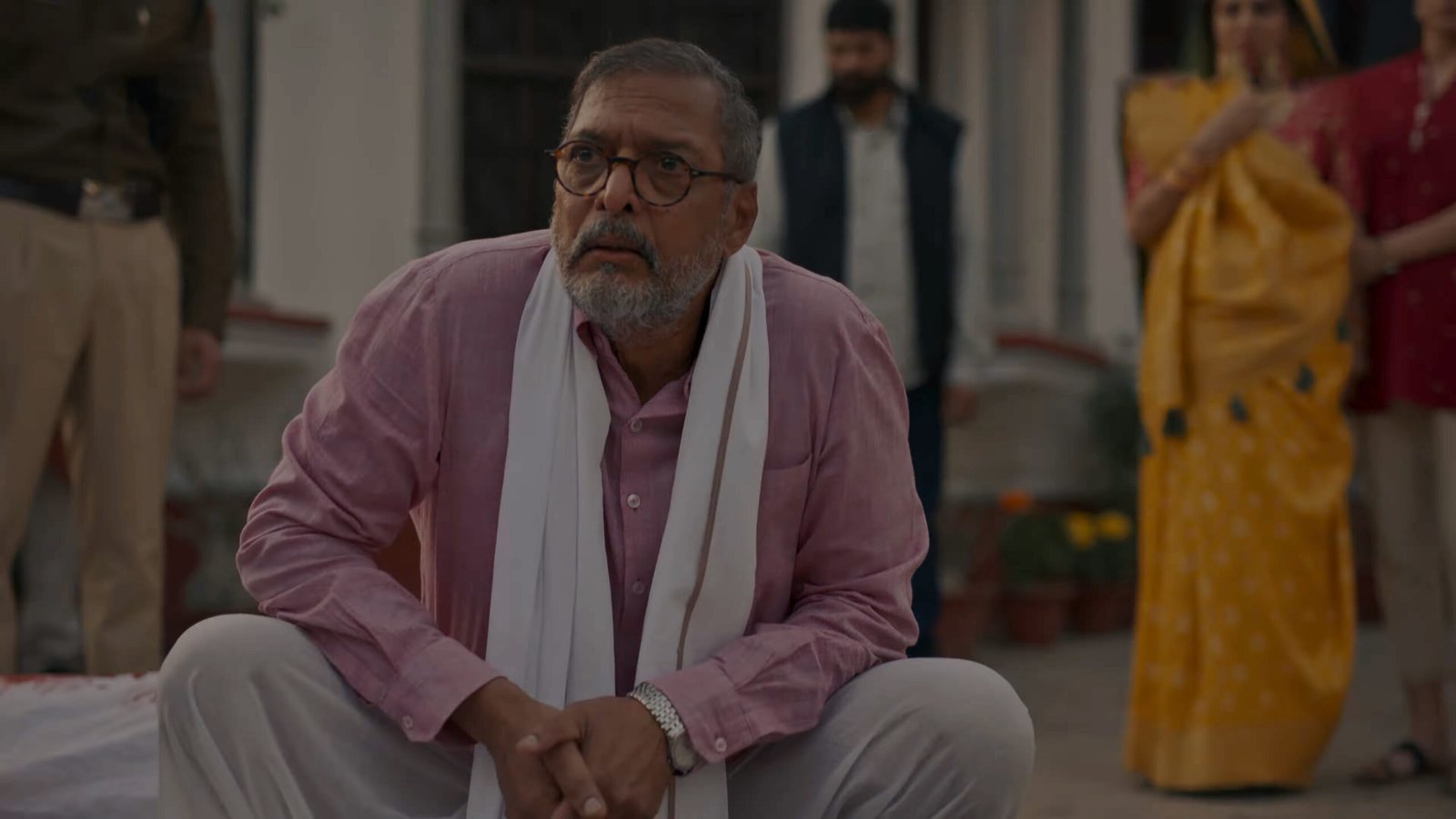
At the centre of this story is Nana Patekar’s character, Ma’at Saab, whose quiet authority and strategic mind shape the lives of several promising young minds.
A Mentor With a Larger Vision
Ma’at Saab runs a Gurukul that identifies bright children from rural backgrounds and trains them to become future leaders. His goal appears noble at first: to provide talented students with education and guidance so they can eventually occupy powerful positions within the country’s administrative system.
After their early training in the Gurukul, these students are sent to the Chanakya Coaching Centre in Delhi, another institution connected to Ma’at Saab. From there, many of them go on to become influential bureaucrats, including IAS and IPS officers.
Among his most notable protégés are Aditya, played by Mohammed Zeeshan Ayyub, along with Vasudev (Saurabh Goel) and Praveen (Kubbra Sait). All three share exceptional intelligence and deep loyalty toward the man who mentored them.
However, as the story unfolds, the nature of this loyalty begins to raise uncomfortable questions. Are these officers simply grateful students who respect their teacher, or are they part of a carefully built network placed strategically within the system?
This ambiguity forms one of the central tensions of the series.
Politics Enters the Equation
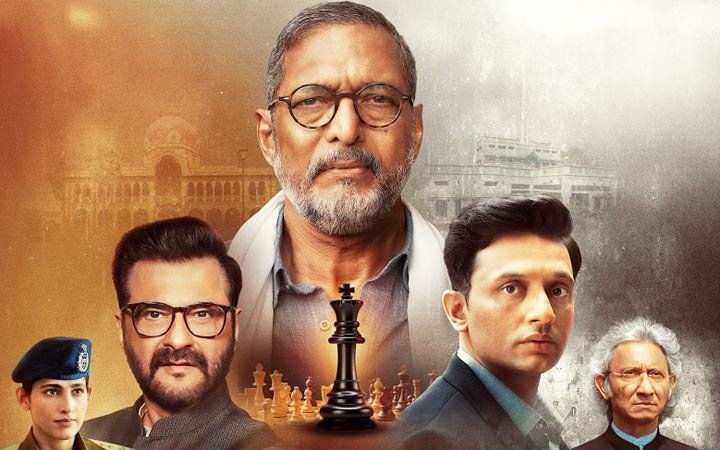
Running alongside the mentor-driven narrative is a parallel political storyline unfolding in Delhi. Chief Minister Prashant Singh, portrayed by Sanjay Kapoor, is focused on securing another electoral victory.
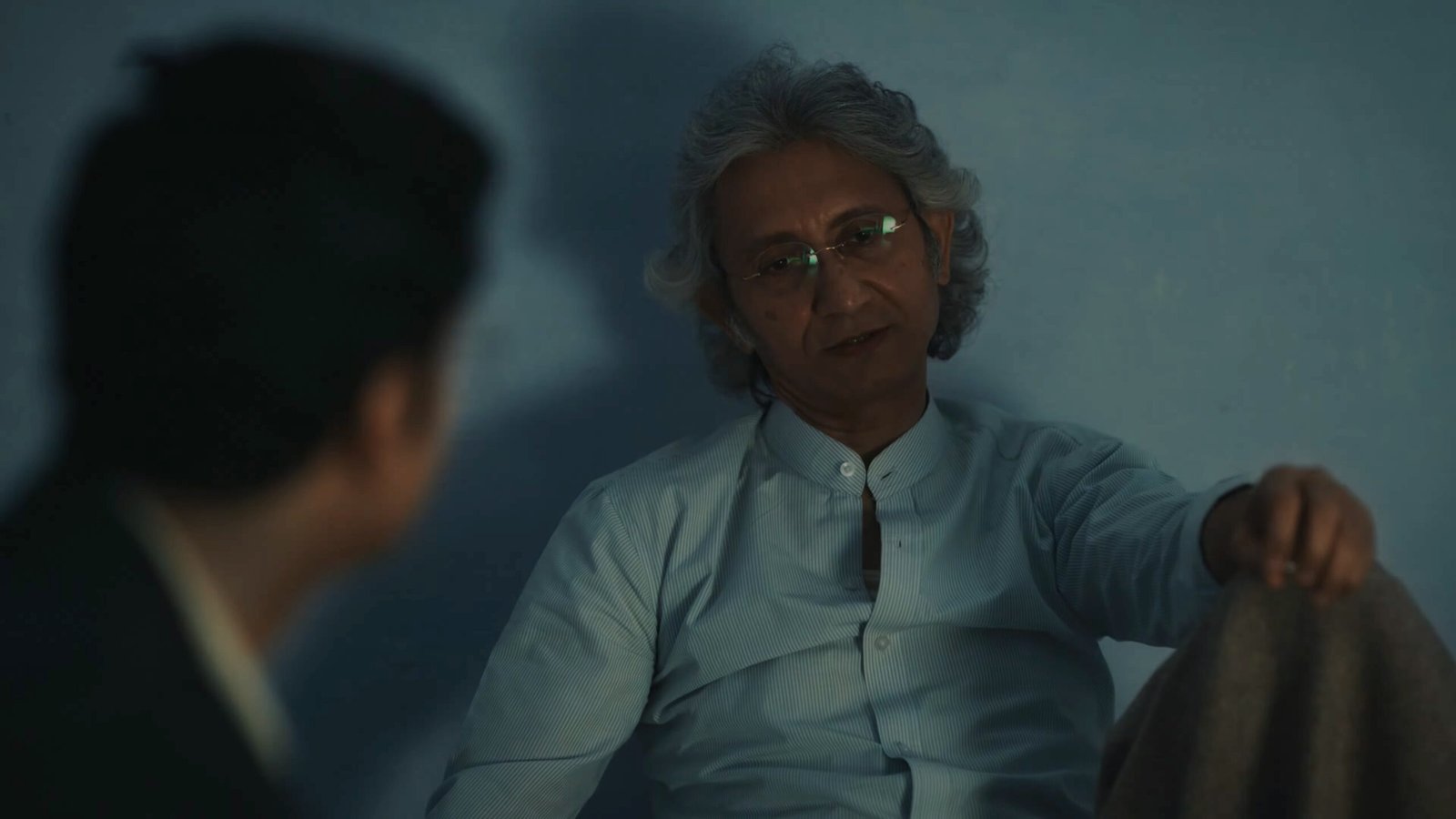
His political advisor Waqar Mapillah, played by Neeraj Kabi, helps craft strategies to maintain their grip on power. Their campaign involves a mix of populist promises and controversial developments that gradually complicate the political landscape.
As these events unfold, the political world begins to intersect with Ma’at Saab’s carefully constructed network of bureaucrats. What initially appears to be a story about mentorship slowly evolves into a broader exploration of how power operates within politics and administration.
At a crucial moment in the narrative, Ma’at Saab makes a decisive pledge, or sankalp, that becomes the turning point of the entire series. The consequences of this vow gradually drive the story toward its central conflict.
Nana Patekar’s Quietly Intense Performance
One of the biggest strengths of Sankalp is Nana Patekar’s performance. Known for his intense screen presence, the veteran actor takes a restrained approach here, allowing subtle expressions and carefully delivered dialogue to define his character.
His portrayal of Ma’at Saab is calm yet calculating. The character rarely raises his voice, but his presence commands attention. Often, a simple glance or pause communicates far more than elaborate monologues.
Patekar plays Ma’at Saab as someone who always appears several steps ahead, much like a strategist carefully studying a chessboard. This understated performance adds depth and unpredictability to the character.
Moral Conflict Between Mentor and Disciple
The emotional heart of the series lies in the relationship between Ma’at Saab and Aditya (Mohammed Zeeshan Ayyub) delivers a convincing performance as a principled police officer caught between gratitude and duty.
Aditya respects the mentor who shaped his life, yet he must also remain loyal to the ethical responsibilities of his profession. This conflict creates a strong moral dilemma that drives much of the narrative.
As the story progresses, the characters are forced to confront difficult choices. Personal loyalty, political ideology and professional obligations begin to clash, blurring the boundaries between right and wrong.
Supporting actors Saurabh Goel and Kubbra Sait also add depth to the narrative as officers dealing with similar tensions within the system.

A Story About Influence and Control
Director Prakash Jha explores an interesting theme throughout the series: when does mentorship become control?
Through several flashbacks set two or three decades in the past, the narrative slowly reveals how Ma’at Saab’s philosophy developed and how his decisions influenced the lives of his students. These glimpses into the past help explain the motivations of the characters and add emotional layers to the story.
However, the pacing of the series occasionally feels uneven. Some episodes run close to an hour, and the middle portions could have benefited from tighter editing. A slightly faster narrative rhythm might have made the story more gripping.
Despite this, the show maintains a serious and immersive tone.
Strong Supporting Cast and Writing
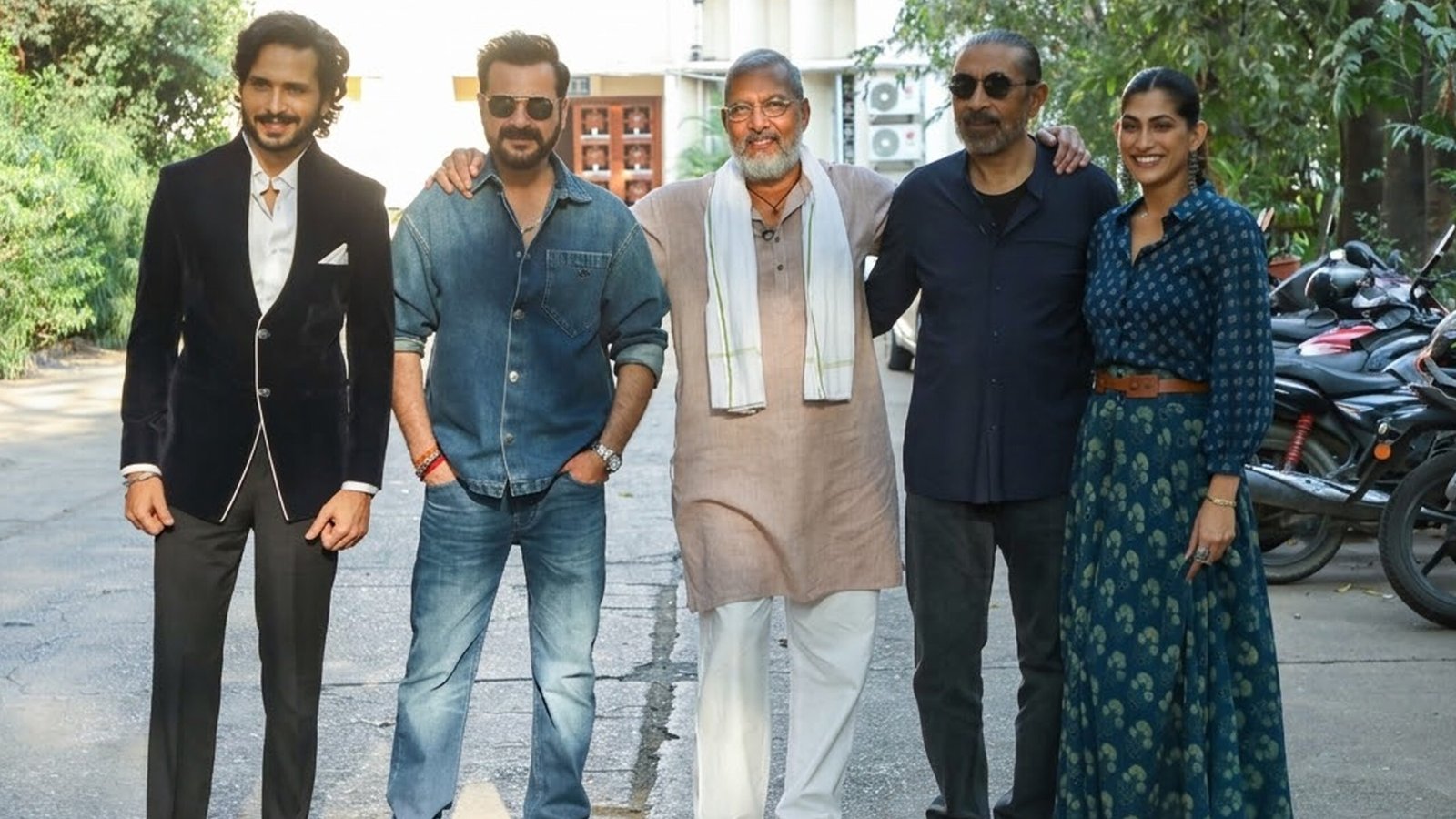
The series also benefits from a strong supporting cast that includes Meghna Malik and Kranti Prakash Jha. Each character represents a different perspective within the political ecosystem, adding complexity to the story.
Visually, the show maintains a grounded atmosphere through muted colours and realistic settings. The background score enhances the tension without overwhelming the narrative.
Another highlight is the dialogue writing by Chandan Kumar. The conversations often carry philosophical undertones while remaining sharp and impactful, reinforcing the show’s themes about power and ideology.
Final Verdict
Sankalp ultimately stands as a thought-provoking political thriller that examines the complicated relationship between power, loyalty and morality.
While the pacing occasionally slows the momentum, the series remains engaging thanks largely to Nana Patekar’s commanding performance and its layered exploration of influence within politics and bureaucracy.
The show also marks an important milestone in Patekar’s career as his first major project on a streaming platform, making Sankalp a notable addition to the growing landscape of Indian political dramas on OTT.
For viewers interested in stories about strategy, ideology and the hidden workings of power, Sankalp offers a compelling and reflective watch.