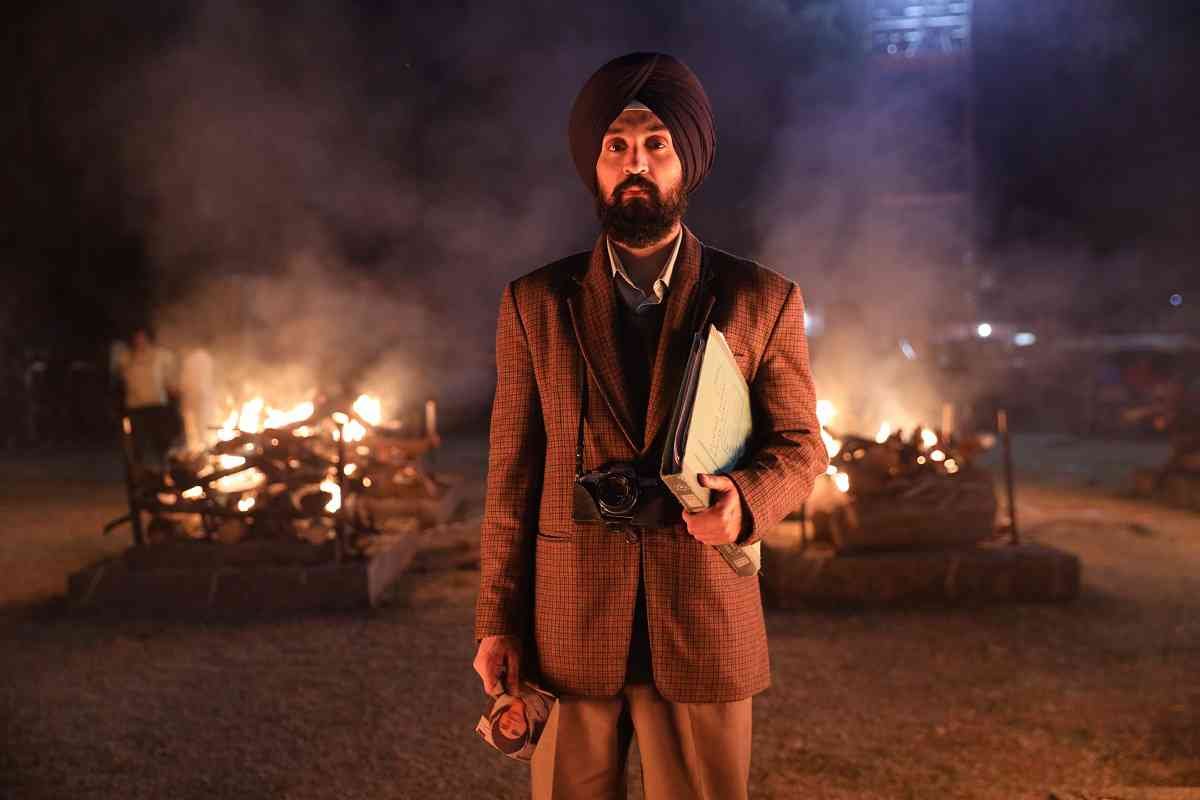
In the era of Over-The-Top (OTT) streaming platforms, audiences often perceive content as being shielded from the traditional, rigid scrutiny of theatrical censorship. We expect Netflix, ZEE5, and Amazon Prime to be bastions of creative freedom, offering narratives that might be deemed “too bold” for the big screen. However, the recent and sudden disappearance of the film Satluj (formerly known as Punjab ’95 and Ghallughara) from the ZEE5 platform just 48 hours after its digital premiere has sent shockwaves through the Indian film fraternity and sparked a heated debate regarding the limits of artistic expression.
The Protracted Battle to the Screen
To understand why the disappearance of Satluj is so significant, one must first understand its arduous journey. Directed by Honey Trehan and starring the powerhouse performer Diljit Dosanjh, the film is a biographical drama based on the life of Jaswant Singh Khalra, a courageous human rights activist who famously investigated the extrajudicial killings and the clandestine cremation of thousands of unidentified bodies in Punjab during the 1990s.
The film did not have an easy path to the audience. For nearly four years, the project remained locked in a bruising battle with the Central Board of Film Certification (CBFC). The authorities reportedly demanded over 120 cuts and modifications, arguing that the content could incite communal disharmony or jeopardize national security. The film underwent multiple title changes—shifting from Ghallughara to Punjab ’95 and finally to Satluj—as the makers attempted to navigate the labyrinthine requirements of the censor board. When it finally arrived on ZEE5, it was viewed as a victory for independent, socially conscious storytelling. That victory, however, proved to be fleeting.
The 48-Hour Mirage
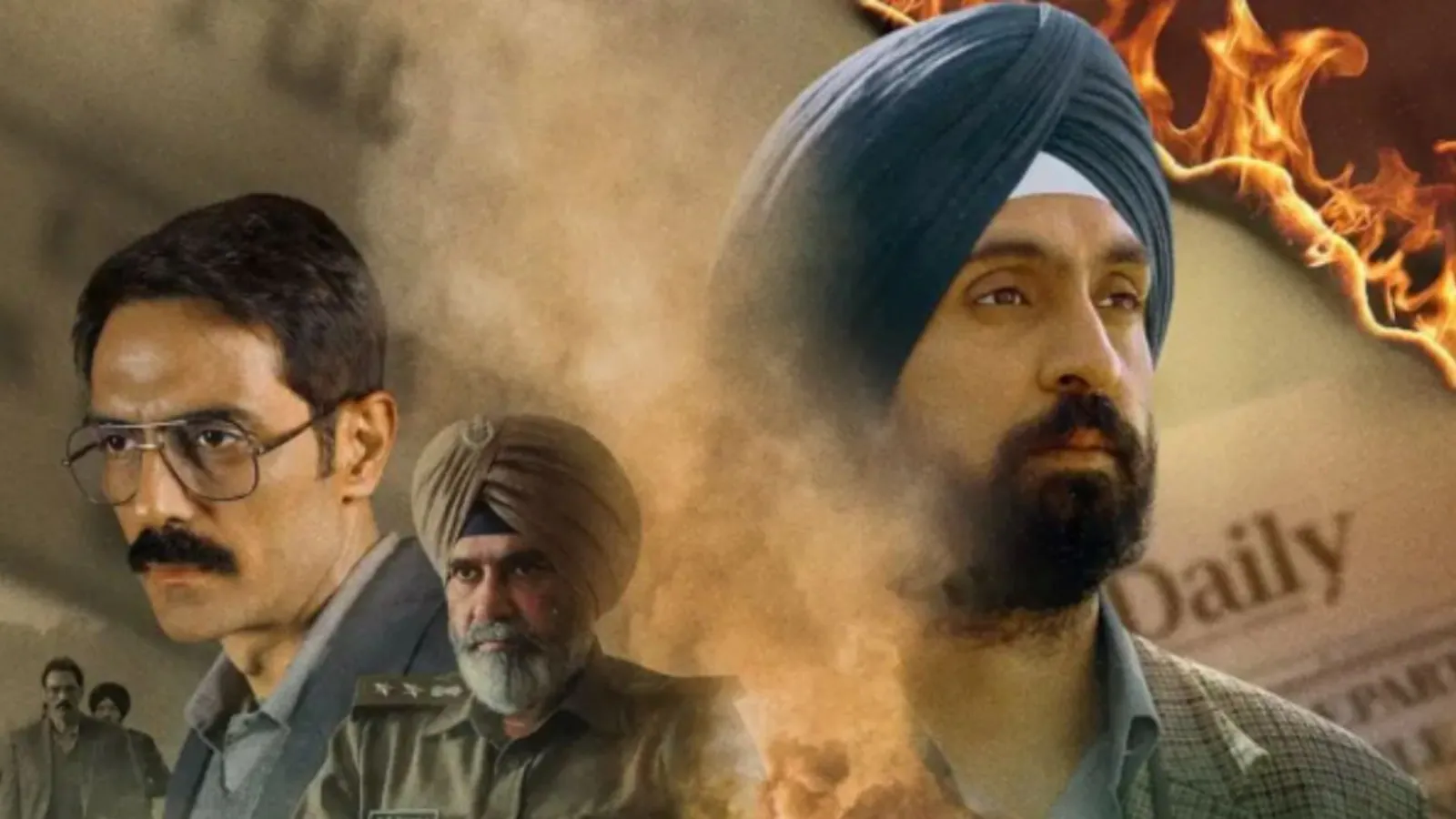
The film premiered to considerable buzz. Given Diljit Dosanjh’s massive global following and the sensitive nature of the subject matter, the anticipation was palpable. Yet, within two days of its release, subscribers were met with a blank page. Satluj had been pulled from the platform.
The official explanation, provided through vague statements from the streaming service, cited “current developments” and internal review processes. There was no clear communication regarding whether the removal was due to legal notices, external political pressure, or an internal decision to avoid further controversy. For many viewers, the lack of transparency was more alarming than the removal itself. If a film can be pulled from a digital library without explanation, what does that say about the shelf-life of challenging art in the digital age?
Unpacking the Narrative: The Story of Jaswant Singh Khalra
The film’s central narrative focuses on the transformation of an ordinary bank manager, Jaswant Singh Khalra, into a beacon of truth. In the early 90s, as the state of Punjab grappled with insurgency and heavy-handed counter-insurgency operations, Khalra stumbled upon evidence of systematic disappearances.
His investigation revealed a dark machinery: police officers were allegedly picking up individuals, killing them in fake encounters, and disposing of their bodies in secret mass cremations to avoid legal accountability. The film portrays the weight of this discovery—not just the investigative process, but the psychological toll of fighting a state apparatus that prefers the silence of the grave to the noise of accountability. The film is fundamentally a human story about the cost of integrity. By stripping the film of its platform, critics argue that the system is essentially silencing the very questions Khalra died trying to answer.
Pros and Cons: A Cinematic Crossroads
The debate surrounding Satluj highlights the fundamental tension between historical storytelling and political sensitivity.
The Pros of the Film’s Existence:
-
Archiving History: The film serves as a medium to document a period of history that is often omitted from textbooks. It forces a contemporary audience to confront uncomfortable truths about state power.
-
Performative Excellence: Diljit Dosanjh’s portrayal has been lauded for its restraint and emotional depth. It marks a shift from his commercial romantic leads to a more mature, character-driven actor.
-
The Power of Truth: It champions the idea that individual courage can hold power accountable, a theme that resonates deeply in modern democracy.
The Cons (from the perspective of critics/censors):
-
Sensitivity and Polarization: Critics of such films often argue that revisiting traumatic historical periods can stir up old wounds, leading to communal friction or the glorification of contentious figures.
-
Institutional Accountability: The film directly indicts parts of the administrative and police machinery. Supporters of the status quo argue that such narratives can undermine the credibility of national institutions, especially when the wounds of the era are still sensitive for many families.
The Future of OTT vs. The Cinema Hall
The Satluj incident forces a pivot in our conversation: Is there a difference between watching such content on a laptop screen versus the immersive experience of an IMAX cinema?
The theatre is a shared space. When a film is shown in a cinema, it is a communal event—an assertion of collective attention. When a film is relegated to an OTT platform, it is individualized. The censorship of Satluj on a digital platform is perhaps more terrifying because it shows that the “digital wall” is thin. If the government or any powerful entity can influence a tech company to “unpublish” a film, then the digital archive becomes a precarious place.
As audiences, we must ask ourselves: Do we prefer our stories sanitized for a smooth, unchallenging experience, or are we willing to defend the right to view films that disrupt our comfort zones? Cinema has always been the mirror of society. If we break the mirror simply because we dislike the reflection, we are not changing the reality; we are only ensuring that we remain ignorant of it.
Conclusion
The story of Satluj is far from over. While it may be absent from your streaming app, the conversation it has ignited is gaining momentum. As creative professionals, we must continue to advocate for a space where history—in all its messy, painful, and necessary detail—can be told without the threat of being purged from history.
Whether this film eventually returns to screens or remains a piece of “forbidden media,” it has already achieved something vital: it has forced us to reconsider who gets to decide what is “fit” for our eyes. The question remains for you, the viewer: Do you believe that art should be protected from such arbitrary takedowns, or do you believe that some topics are simply too sensitive to be handled in the public domain? The answer will define the future of storytelling in India.