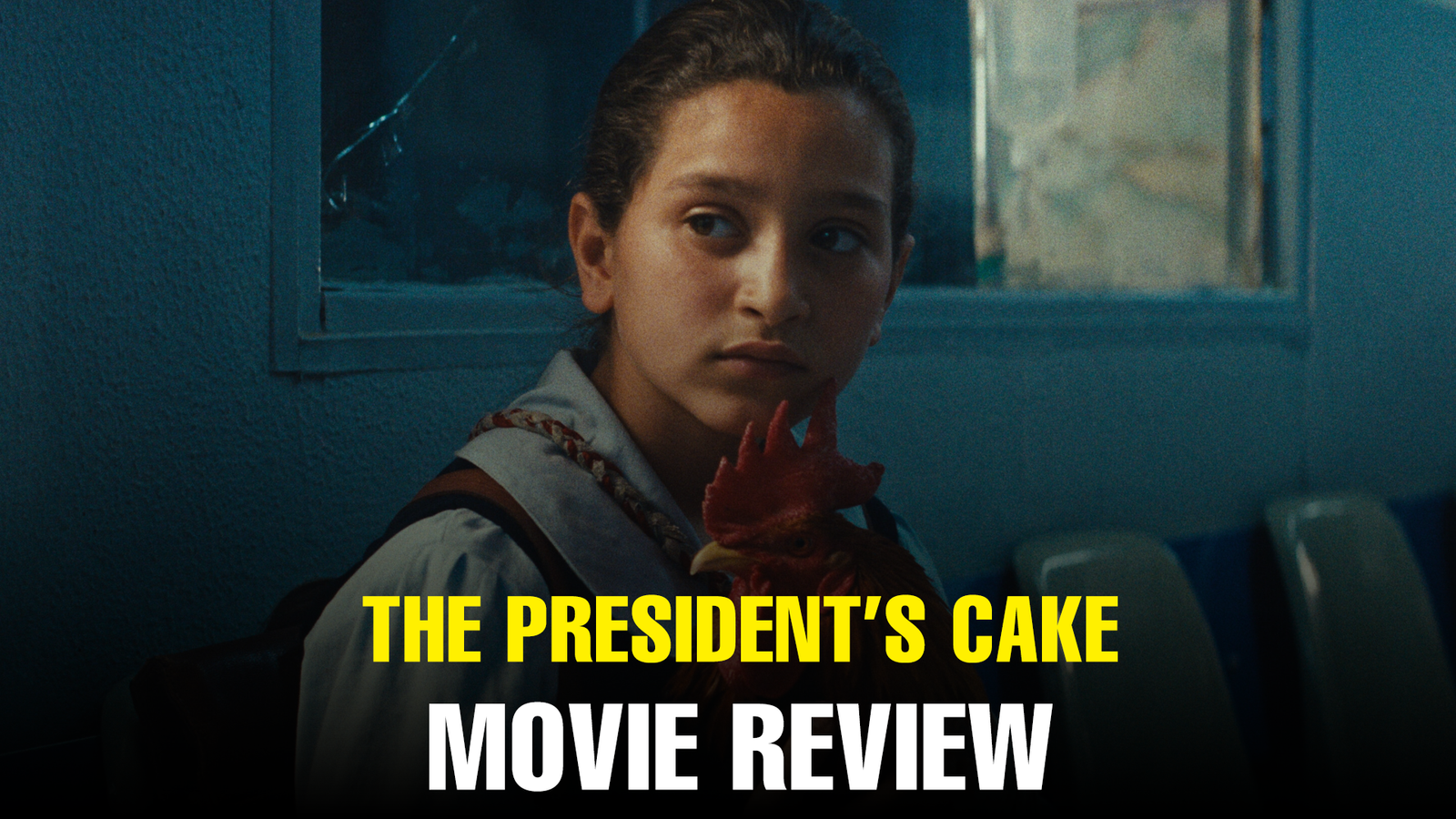
The President’s Cake is a gentle yet quietly devastating debut from Iraqi filmmaker Hasan Hadi. Set in early-1990s Iraq during international sanctions, the film follows a nine-year-old girl forced by her school to bake a birthday cake for Saddam Hussein. What unfolds is a simple premise layered with political tension, scarcity, and unexpected warmth.
Blending innocence with unease, the film balances charm and discomfort in equal measure.
Story: A Cake Mission in a Time of Shortages
Lamia, played by newcomer Baneen Ahmad Nayyef, is a bright nine-year-old whose ordinary school day turns into a burden. Her teacher announces that one student must bake a cake to celebrate Saddam Hussein’s birthday. The task falls on Lamia.
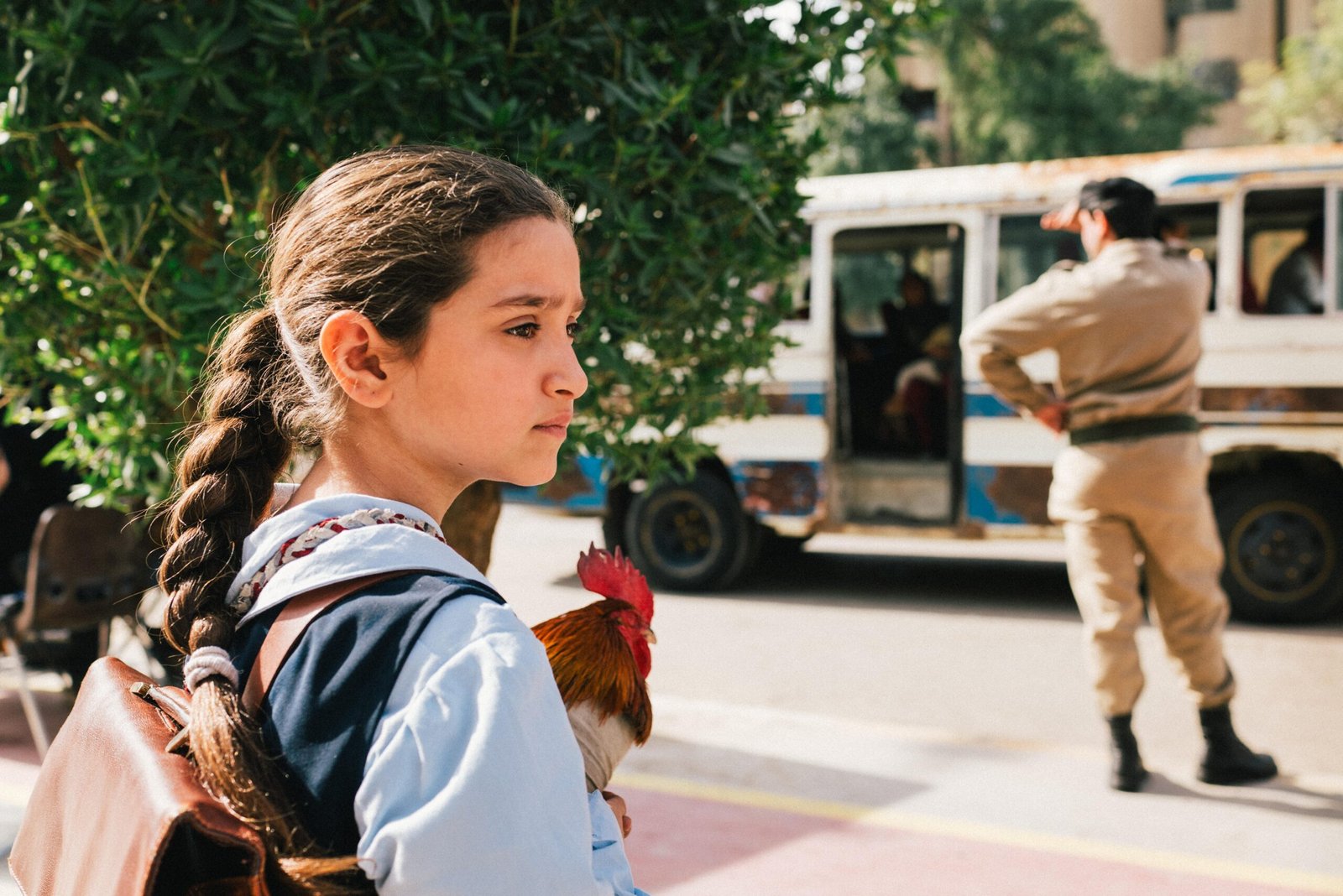
In a country crippled by sanctions, even basic ingredients like flour, sugar, and baking powder are hard to find. Lamia and her grandmother Bibi set out on a long and uncertain journey through town to gather whatever they can. Along the way, they are joined by Lamia’s friend Saeed, a boy pressured by his father into petty theft just to survive.
What could have been a light children’s adventure becomes something deeper. Their search for cake ingredients introduces them to a range of characters shaped by desperation. A grocer trades scarce goods for favors. A disturbing encounter with a predatory man reminds viewers that danger lurks in vulnerability. Even a cheerful postman who offers them a ride reveals how hunger and longing define daily life.
The children’s small mission becomes a lens through which we see a nation struggling under war and dictatorship.
Tone and Themes: Innocence in a Political Shadow
Throughout the film, Saddam Hussein’s presence looms large. Posters, banners, and street demonstrations are constant reminders that the regime controls not just politics but daily existence. Even moments of joy feel fragile.
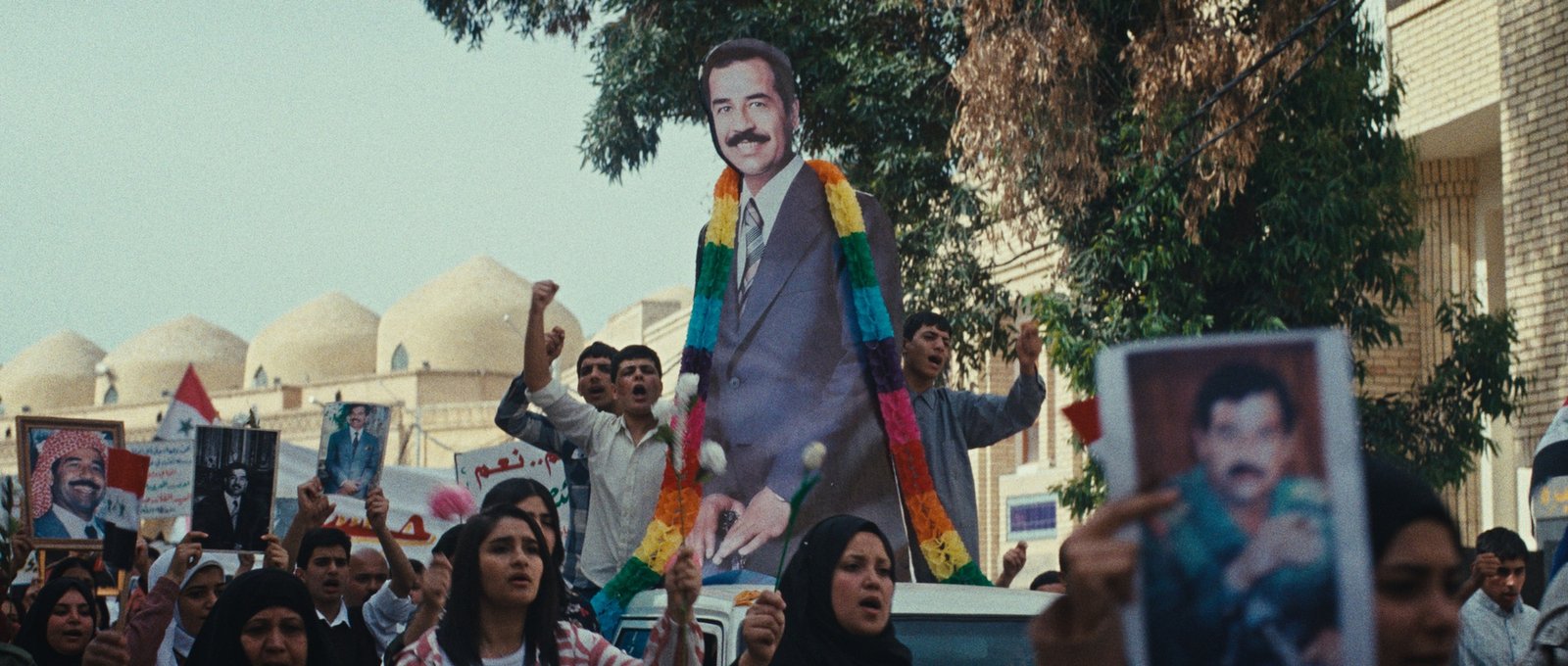
Hasan Hadi avoids heavy-handed messaging. Instead, he lets the environment speak for itself. Lamia’s journey mirrors the resilience of ordinary families trying to preserve dignity amid hardship.
The pacing is gentle and sometimes meandering, but this suits the story. The narrative moves like a child’s day out, punctuated by bursts of tension, especially in scenes where the children are chased or confronted by adults.
Performances: Natural and Moving
Baneen Ahmad Nayyef delivers a remarkably natural performance as Lamia. Her expressions capture confusion, determination, and fleeting happiness without exaggeration.
The largely non-professional cast adds authenticity. The chemistry between Lamia and Saeed feels genuine, while Waheed Thabet Khreibat as the grandmother brings warmth and quiet strength.
Even smaller roles leave an impression, grounding the film in realism.
Visual Language and Atmosphere
The cinematography captures dusty streets, crowded markets, and riverside reflections with softness. One moment in which Lamia gazes at her reflection hints at a fairy-tale undertone, contrasting with the harsh reality around her.
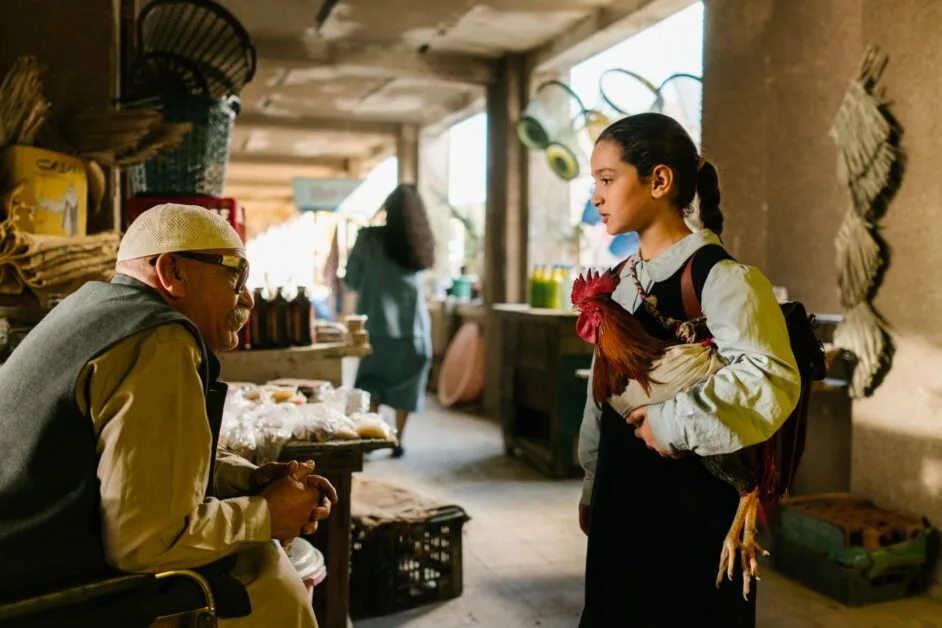
Yet the film never lets us forget the war. A blinded bomb victim riding in the postman’s car, endless propaganda imagery, and public displays of loyalty keep the political context alive.
The final cake-tasting sequence carries unexpected weight, turning a simple dessert into a symbol of survival, power, and irony.
Release Details
The President’s Cake is currently screening in US cinemas. It will release in UK and Irish theatres from 13 February and in Australian cinemas from 2 April.
Final Verdict
The President’s Cake is a tender coming-of-age story wrapped inside a harsh political setting. It does not rely on grand drama or spectacle. Instead, it uses a child’s small mission to reveal larger truths about fear, scarcity, and resilience.
It is a film that feels sweet on the surface but leaves behind a sharp aftertaste, reminding us that even the simplest celebrations can carry the weight of history.