Introduction
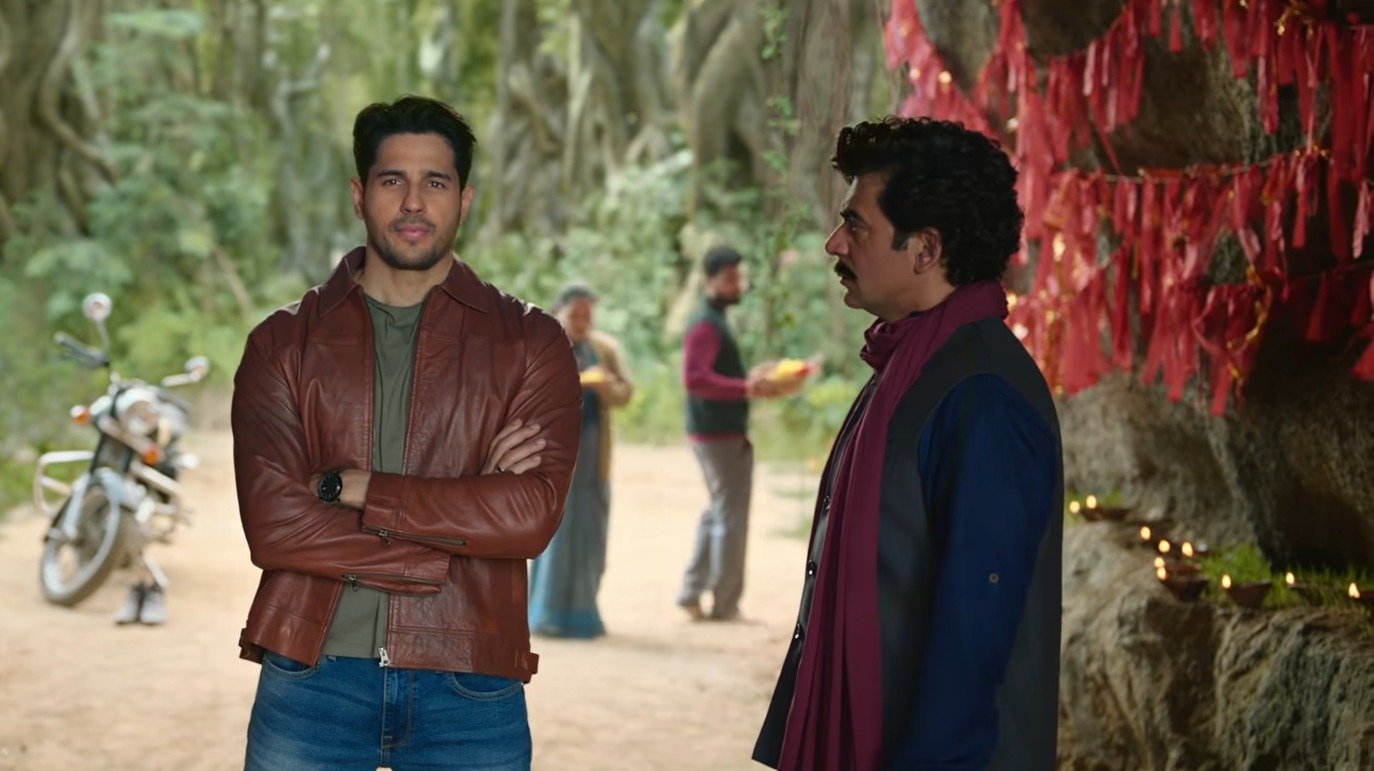
Sidharth Malhotra and Tamannaah Bhatia’s The Vvaan: Force of the Forest did not appear to be heading for a major theatrical run before release. Early trade expectations pointed towards a modest opening, but something unexpected happened in Bihar. A powerful mix of folk culture, Chhath sentiment and grassroots social media buzz transformed the film’s fortunes almost overnight.
The Vvaan Was Expected to Have a Quiet Run
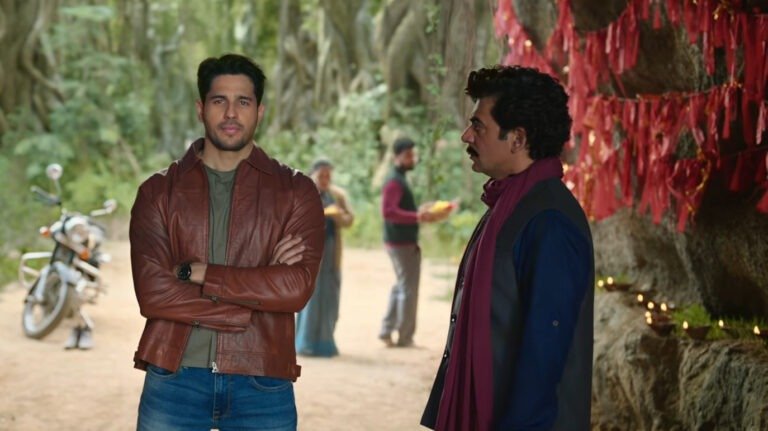
When the promotional campaign for The Vvaan: Force of the Forest began, there wasn’t much indication that the film would turn into a significant box-office story.
The fantasy thriller, directed by Deepak Kumar Mishra, had the advantage of Sidharth Malhotra and Tamannaah Bhatia in the lead roles, but initial trade tracking suggested that the film could struggle in the major urban multiplex markets.
Instead of opening as a large-scale commercial event, the movie appeared to be heading towards the kind of theatrical run associated with a mid-budget Hindi release.
Then Bihar changed the conversation.
As the film’s promotional campaign expanded, its connection with folk traditions and devotional sentiment began gaining traction across regional social media networks. WhatsApp groups, Facebook pages and local digital communities started circulating content linked to the film, creating awareness among an audience that traditional Bollywood marketing does not always reach effectively.
The result was a dramatic shift in the film’s box-office trajectory.
Bihar Became the Biggest Surprise
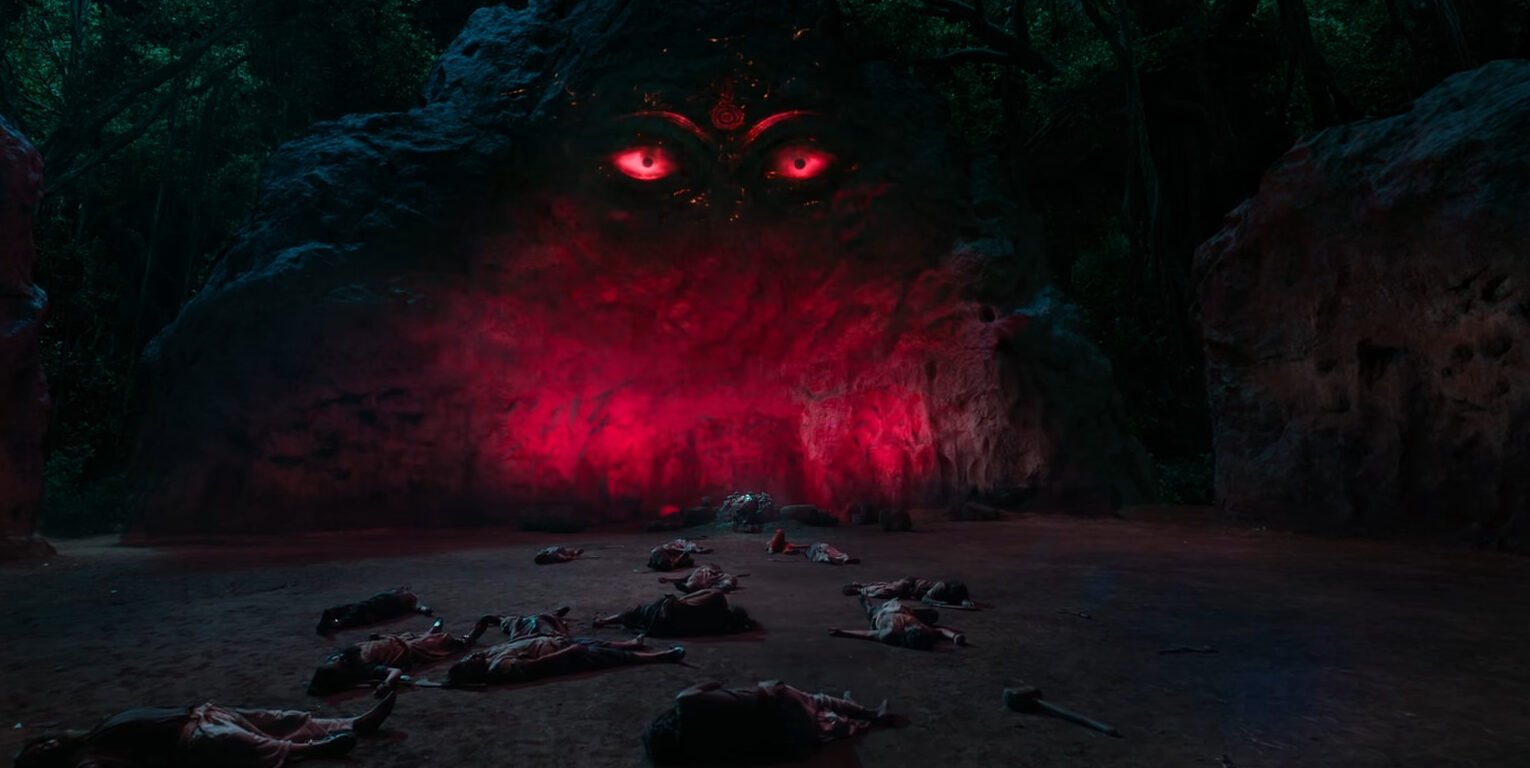
According to figures cited in the source, The Vvaan has already crossed ₹46 crore, with its first week expected to take the film to around the ₹50 crore mark.
For a movie that was initially expected to have a relatively quiet theatrical run, the performance represents a significant turnaround.
Trade analyst Taran Adarsh described the film’s performance as unusually strong considering its scale and budget.
Bihar has emerged as the biggest part of that story.
According to Box Office India, the film recorded close to ₹1 crore net on its opening day in Bihar, making it the fourth-highest opening day in the circuit that year at the time of the report. The films ahead of it were Toxic, Dhurandhar 2 and Border 2.
The Bihar circuit subsequently delivered around ₹3.75 crore during the opening weekend, with the source suggesting that the lifetime business in the state could eventually move beyond ₹10 crore.
That kind of performance helped turn a regional response into a national talking point.
What Made The Vvaan Connect With Bihar?
The biggest factor appears to be the film’s connection with Chhath Puja and the cultural significance of Chhathi Maiya.
The four-day festival holds enormous importance across Bihar, Jharkhand and parts of eastern Uttar Pradesh. Rather than treating that connection as a minor promotional element, the film’s campaign appears to have placed it close to the centre of its outreach in these markets.
Bihar-based exhibitor Vishek Chauhan pointed towards the emotional importance of Chhathi Maiya for audiences in the region.
The comparison is easy to understand. Just as Ganesh-related cultural associations can create a powerful emotional connection in Maharashtra, or Durga Puja carries enormous significance in Bengal, Chhathi Maiya occupies a special place in the cultural life of Bihar.
The Vvaan managed to tap into that sentiment.
The Chhathi Maiya Song Helped Build Momentum
Music became another important part of the film’s grassroots campaign.
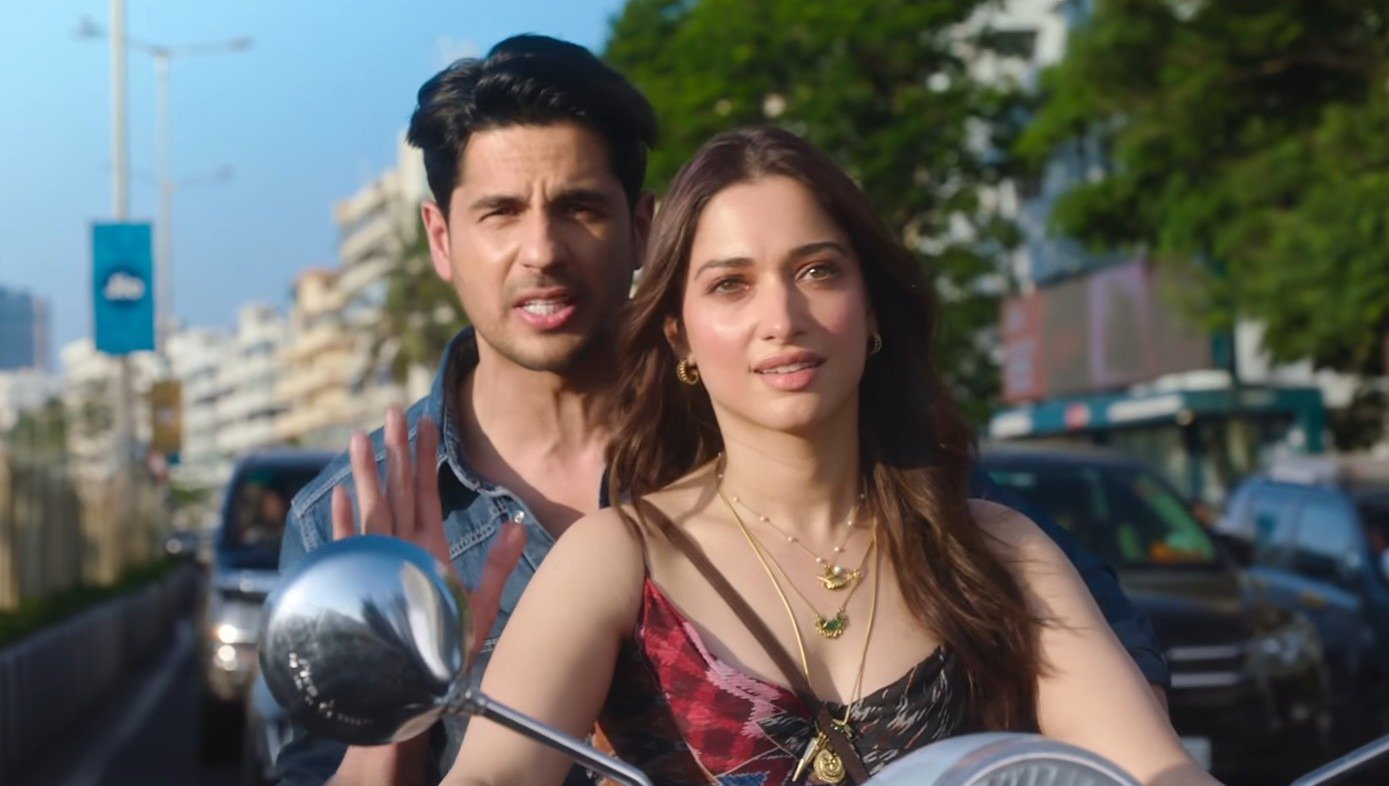
The song “Chhathi Maiya” was reportedly pushed heavily across Bihar and Jharkhand, particularly through platforms where regional and family-oriented audiences are highly active.
The timing also played an important role.
According to the source, the song began circulating widely on Facebook and WhatsApp weeks before the film’s release. Instead of relying entirely on conventional celebrity promotions and national media campaigns, the film’s marketing found an audience through regional digital networks.
That created familiarity before many viewers had even stepped inside a cinema hall.
Another major emotional connection came from the late Sharda Sinha, whose song “Pahile Pahil Hum Kaini” is strongly associated with Chhath celebrations.
Sinha is widely revered for her contribution to Chhath music, and the presence of her work added another layer of familiarity for audiences who grew up listening to her songs during the festival.
Social Media Turned the Buzz Into Footfalls
The campaign eventually moved from online conversations to actual theatre behaviour.
Videos from screenings began appearing on social media, showing audiences participating in Chhath-related moments inside cinemas. Some clips showed viewers applying sindoor and distributing thekua, a traditional Chhath offering.
One viral reel reportedly crossed 513,000 likes, featuring a packed audience chanting “Jai Chhathi Maiya” together.
Such videos created a feedback loop.
People who had not initially planned to watch the film began seeing these clips online. The theatrical experience itself became part of the promotion, encouraging more viewers to visit cinemas and potentially create more social media content.
This is particularly significant because the film’s strongest digital momentum was not necessarily coming from the same platforms that dominate urban entertainment conversations.
Facebook and WhatsApp Played a Different Role
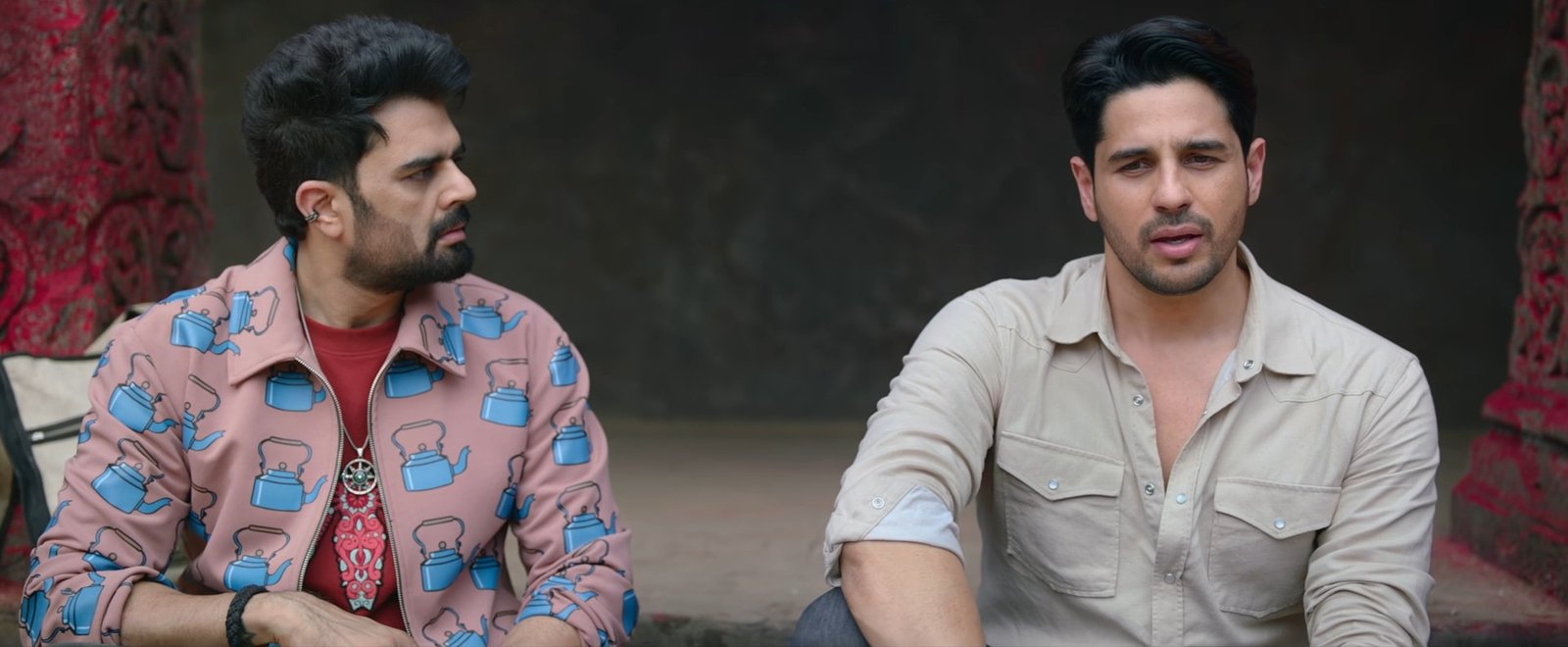
A senior marketing source cited in the report explained that different social platforms reach very different audiences.
Instagram tends to be particularly strong among younger urban users, where entertainment marketing often depends on polished visuals, celebrity content and trends.
Facebook, meanwhile, continues to have strong engagement among older audiences, families and regional communities. WhatsApp takes that personal and community-based sharing even further.
For The Vvaan, that distinction appears to have been crucial.
The film’s devotional and folk-oriented positioning could reach exactly the audience most likely to respond to it through these networks.
In other words, the movie did not necessarily need to dominate every social media platform. It needed to become highly visible among the people most likely to buy a ticket.
And that appears to be what happened.
The Bihar Audience Extended Beyond Bihar
Another interesting aspect of The Vvaan‘s performance is that the response did not remain restricted to the state itself.
The film reportedly performed well in certain areas with significant Bihari migrant populations.
Punjab provides one example. While the film saw limited traction in cities such as Amritsar and Patiala, Ludhiana reportedly delivered stronger numbers.
The explanation offered by exhibitors is the presence of a sizeable Bihari community in the industrial city.
The same pattern can potentially be seen in other areas with large migrant populations, including parts of Delhi NCR and Mumbai.
This means the film’s cultural appeal travelled with the audience.
Theatres did not necessarily need to be located in Bihar for the film’s emotional connection to work. Where there was a concentrated audience familiar with the culture and traditions being referenced, the same promotional message could generate interest.
A Regional Film Experience Inside a National Release
Vishek Chauhan offered an interesting way of looking at the film’s performance: The Vvaan is technically a national Hindi release, but in Bihar it began behaving more like a powerful regional success.
That is unusual for mainstream Hindi cinema.
Typically, a film can dominate one of India’s major entertainment markets such as Maharashtra and then record respectable business in Bihar and other circuits.
With The Vvaan, the pattern has been reversed.
Its strongest emotional connection appears to have developed in a market that is often treated as secondary in the promotional strategies of major Hindi films.
The performance therefore raises questions about whether Bollywood could be overlooking audiences whose tastes are shaped more strongly by local culture, festivals and regional identity.
Women and Families Also Drove the Bihar Run
The film’s theatrical audience in Bihar has reportedly included a strong number of women and families.
According to Chauhan, morning shows were already seeing female audiences from the first day, and demand subsequently allowed cinemas to increase the number of shows.
The exhibitor said the film began with three shows during the weekend and was later moved to four.
That kind of show expansion is particularly important because sustained family attendance can help a film maintain business beyond its initial fan-driven opening.
It also suggests that the film’s appeal went beyond the young male audience typically associated with fantasy, action or thriller releases.
What The Vvaan’s Success Could Mean for Bollywood
The film’s performance offers an interesting lesson about theatrical marketing.
A large advertising campaign and national celebrity presence can create awareness, but neither automatically guarantees that audiences will feel a personal connection with a movie.
The Vvaan appears to have found that connection through culture.
Its association with Chhath, the use of familiar music and a campaign designed around regional audiences helped create a sense of ownership around the film.
The response also demonstrates the potential of smaller markets when filmmakers and studios understand what matters to local audiences.
For years, Bollywood’s box-office conversation has largely focused on metropolitan centres and major multiplex chains. Bihar’s performance with The Vvaan suggests that regional cultural relevance can sometimes create a powerful theatrical wave of its own.
The Next Box-Office Test Is Already Here
Despite its unexpected momentum, The Vvaan now faces another challenge.
The film’s run will be tested by the arrival of ** Drishyam: The Conclusion **, which is scheduled to open nationwide.
The bigger release could affect screen availability and audience attention, particularly in markets where theatres have limited capacity.
For The Vvaan, the question is whether the grassroots momentum created in Bihar and among Bihari communities elsewhere will continue after the arrival of a major national release.
Whatever happens next, the film has already delivered one of the more unexpected box-office stories of its theatrical run.
What began as a release that trade observers expected to perform modestly has instead found a strong audience through a very specific cultural connection.
And perhaps that is the most interesting part of The Vvaan story: the film didn’t need to win every market to become a talking point. It found the audience that connected with its world, and that audience turned a regional response into a national box-office conversation.