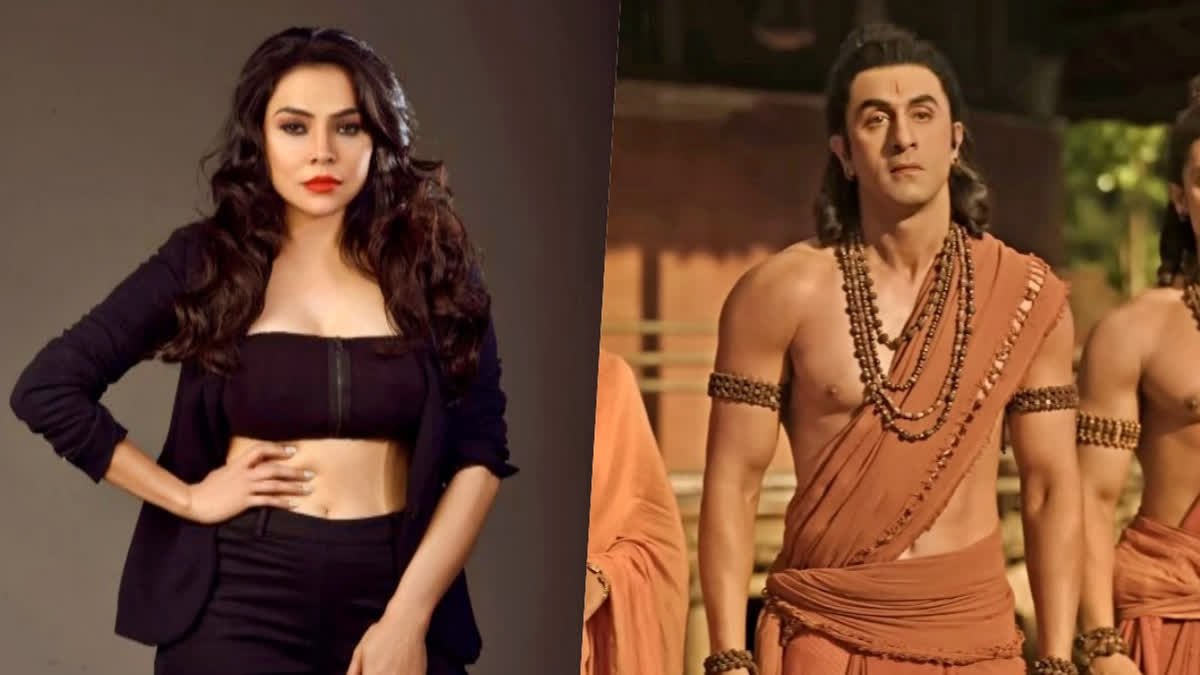
Nitesh Tiwari’s Ramayana has become one of the year’s most talked-about films, but the conversation isn’t limited to its scale or visuals. Actress Nikita Rawal has now stirred fresh controversy by questioning Ranbir Kapoor’s casting as Lord Ram and demanding an apology over an old interview, reigniting a wider debate on mythology, cinema, and artistic freedom.
Nikita Rawal Questions Ranbir Kapoor’s Casting in Ramayana, Sparks Fresh Debate
As anticipation builds for Ramayana: Part One, the film has found itself at the centre of another controversy. Actress Nikita Rawal has publicly questioned Ranbir Kapoor’s casting as Lord Ram, citing an old interview in which the actor spoke about his food preferences.
Her remarks have triggered mixed reactions online, with some supporting her concerns while others defending the filmmakers’ casting choice and an actor’s creative freedom.
What Did Nikita Rawal Say?
In a recent interview with Bollywood Mascot, Nikita Rawal expressed her views on actors portraying revered mythological figures.
According to her, playing Lord Ram, regarded by millions as Maryada Purushottam, is more than just another acting assignment. She argued that the role carries immense cultural and spiritual significance and should be approached with great sensitivity.
During the interview, she questioned Ranbir Kapoor’s suitability for the role and referred to his past remarks about eating beef. She also urged the actor to publicly apologise for the statement and appealed to her supporters to use the hashtag #BoycottRanbirKapoor until such an apology is made.
Her comments quickly gained attention across social media, dividing public opinion.
The Interview That Resurfaced
The controversy centres around a television interview from around 2011, in which Ranbir Kapoor discussed his family’s culinary background and his personal food preferences.
During the conversation, he described himself as a fan of dishes such as mutton and paya and also said he liked beef. The clip resurfaced online after Ramayana promotions began and has once again become the subject of public debate.
The actor has not publicly responded to Nikita Rawal’s recent remarks.
Social Media Divided Over the Debate
The controversy has sparked contrasting reactions online.
Some users believe actors portraying deeply revered religious figures should maintain a public image that aligns with the values associated with those characters. Others argue that an actor’s personal choices or comments outside their professional work should not determine whether they are suitable for a role.
Many also pointed out that acting is about portraying different characters convincingly, rather than reflecting an actor’s personal life or beliefs.
Support Continues for Ranbir Kapoor and the Film
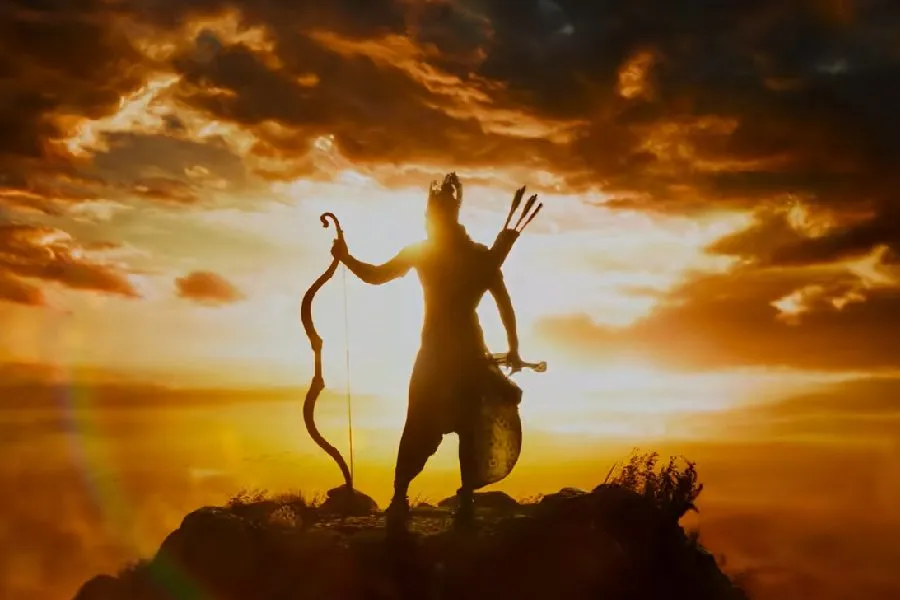
Despite the criticism, many fans have come out in support of Ranbir Kapoor and the Ramayana team.
Supporters have highlighted director Nitesh Tiwari’s repeated assurance that the film remains faithful to the original epic while using modern filmmaking techniques to present the story on a global scale.
They have also argued that performances should ultimately be judged after the film’s release rather than based on assumptions or past interviews.
Ranbir Kapoor Calls the Role a Great Honour
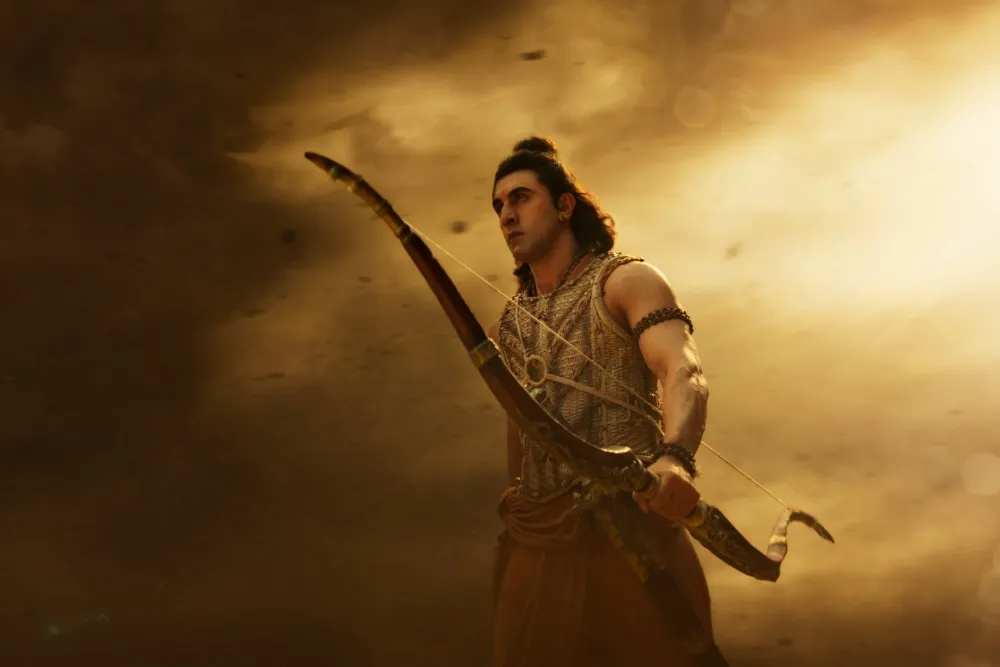
During promotional events, Ranbir Kapoor has spoken about the responsibility of portraying Lord Ram.
The actor has described the role as one of the greatest honours of his career and has said the filmmakers have approached the epic with sincerity and respect. He has also acknowledged the enormous challenge of adapting the Ramayana into two films, remarking that the epic is so vast it could easily fill many more.
Not the First Mythological Film to Face Scrutiny
The latest controversy is part of a broader pattern seen around Indian mythological adaptations.
In recent years, several films and series based on religious epics have faced public debate over casting decisions, costume design, visual presentation, dialogue, or creative interpretation.
As Ramayana: Part One moves closer to its November 6, 2026 release, discussions surrounding the film continue to extend beyond its cinematic scale to questions about representation, faith, and artistic freedom.
Whether the controversy affects audience sentiment remains to be seen, but for now, it has become another major talking point ahead of one of Indian cinema’s most anticipated releases.